
Very often I get asked this question, “what is my management style?”. People have often tried in the past to classify it according to 4 classic styles:
- Authoritarian: hold onto as much power and decision-making as possible
- Paternalistic: Akin to a parent/child relationship – leader seen as a “father-figure”
- Democratic: Focus of power is more with the group as a whole
- Laissez-faire: means to “leave alone”; little input into day-to-day decision-making
Today the dynamics at play are different than when these styles were created, it is best to be “adaptive”. And that’s my style. Adaptive – based on situations, circumstances, reporting structure, personalities and generational thinking.
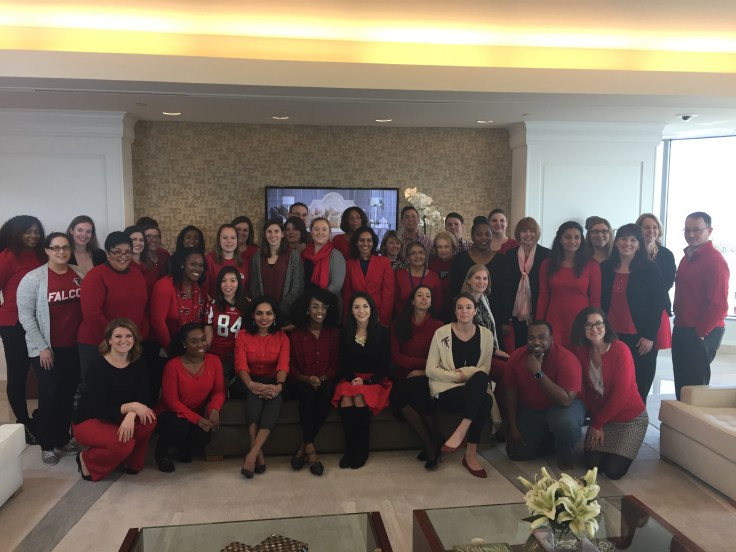
There are instances when you have to mentor and lead. There are others when you take a step back, empower people to do their jobs and let them roll. And still there are others when you have to build consensus yet make tough decisions for your team. Styles should be adapted to the particular demands of the situation, the particular requirements of the people involved and the particular challenges facing the organization. Sticking to one style and formula does not help.
I want to differ from many experts who lump management styles along with leadership styles. I think leadership styles are different – and one can lead even if they don’t manage. Leadership is less about your needs, and more about the needs of the people and the organization you are leading. Many styles exist – Visionary, Coaching, Affiliate, Democratic, Pace-setting, and Commanding. I can tell you I am again a combination of all of them depending on the circumstances.
In the end, I have two words to answer my style of working: Empower People. I want to eventually be known as a leader who empowered people. Empower people through my actions, through my speaking, through my writing, through my one-on-one conversations, through my evangelism, sometimes even through my financial assistance or personal assistance; empower people to do things; to move mountains; to become successful; to go on trailblazing endeavors; to do good and to win.
 Supply Chain Boy
Leave a comment